
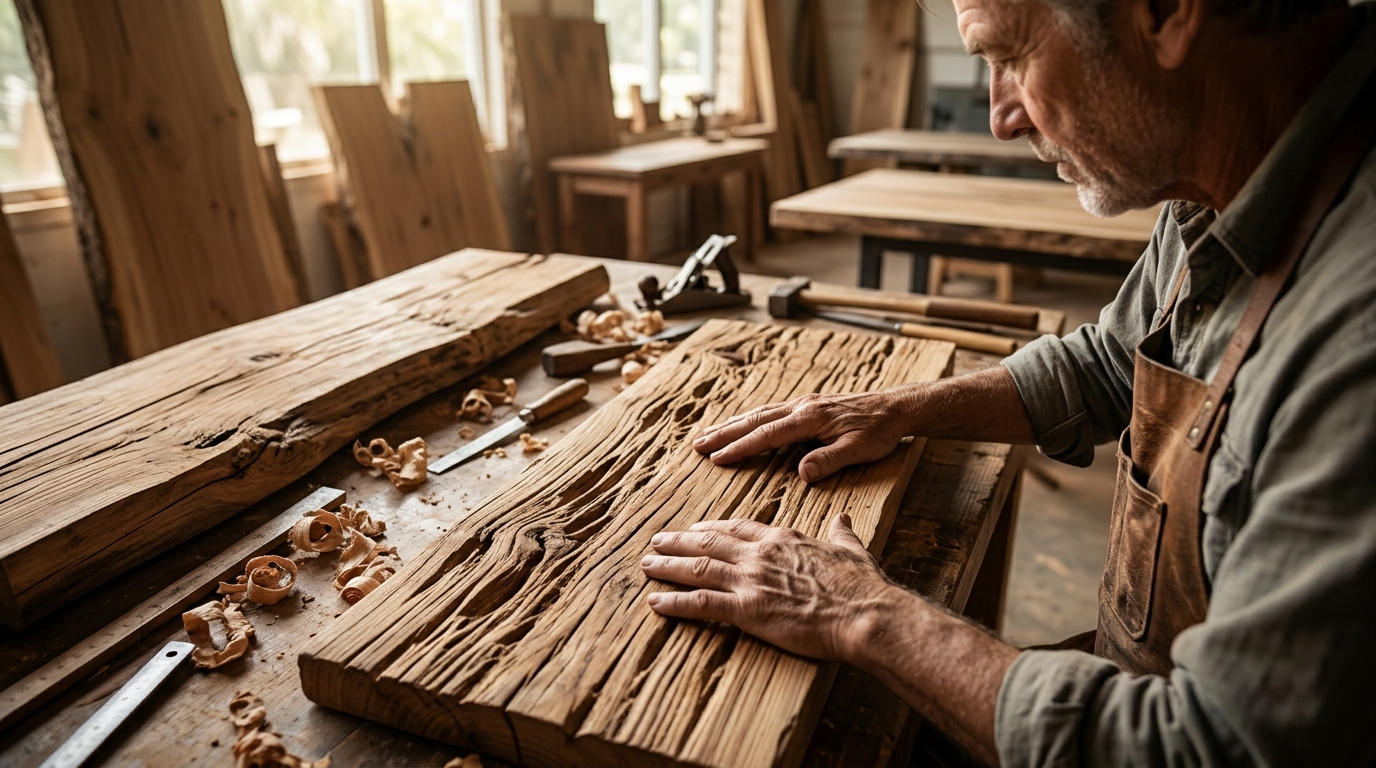
Pecky cypress is a distinctive wood species characterized by its unique, fungus-carved pockets and tight grain structure. Sourcing authentic material requires understanding the difference between natural decay patterns and artificial imitations. This guide outlines seven reliable methods for obtaining genuine pecky cypress for high-end custom furniture projects. For additional details, review the Start a Custom Woodwork.
1. Partner with a Local Master Carpenter
2. Purchase from Specialized Regional Lumber Yards
Regional yards in the Southeast often stock authentic cypress from managed forests. Unlike national distributors, local yards in states like Florida, Georgia, and the Carolinas frequently carry cypress harvested from sustainable, local sources. These yards can provide documentation of the wood's origin, ensuring it is not imported or artificially treated. Ask the yard manager specifically for 'pecky' or 'cypress with pockets' to ensure you get the desired aesthetic.
3. Source Reclaimed Cypress from Historic Structures
4. Verify the Wood Species Through Visual Inspection
Authentic pecky cypress has distinct visual markers that imitations lack. The pockets in genuine pecky cypress are irregular and follow the grain, whereas artificial versions often look uniform or painted. The wood should have a tight, straight grain with a honey-gold color that darkens with age. Be wary of wood that looks too perfect or has a uniform texture, as this may indicate it is a different species or a veneer.
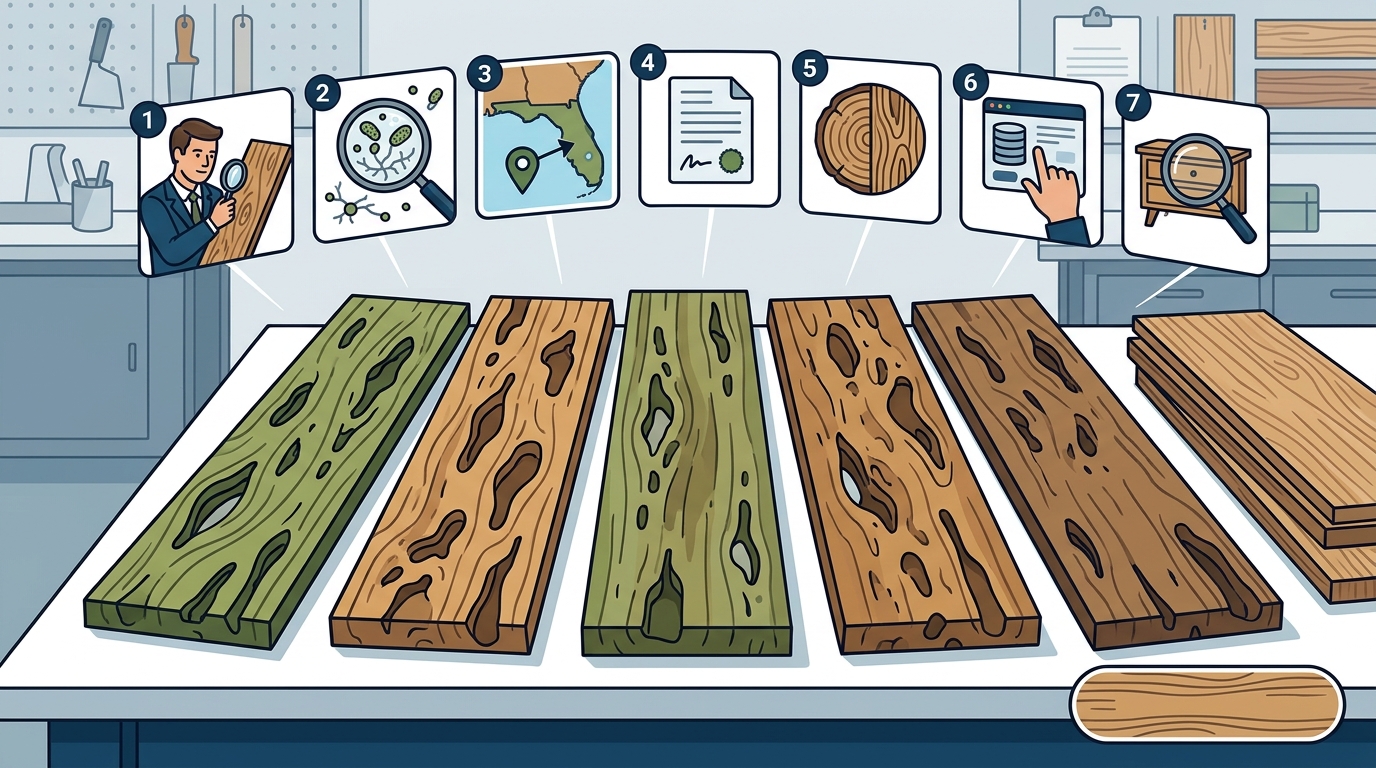
5. Understand the Difference Between Bald and Pecky Cypress
Bald cypress is the species, while pecky is a specific growth characteristic. Bald cypress is a native tree to the southeastern United States, known for its durability and resistance to rot. Pecky cypress is not a separate species but a type of bald cypress that has been affected by a specific fungus, creating the pocketed surface. Knowing this distinction helps you ask the right questions when sourcing and ensures you are not buying a different type of cypress that lacks the desired texture. according to Bald Cypress Campus
6. Use Online Design Tools to Visualize the Wood
Digital tools can help you preview how pecky cypress will look in your space. Some custom furniture makers offer online design builders that allow you to select wood species and see how they render in different styles. This can be a useful way to compare pecky cypress with other woods like black walnut or white oak. For instance, the table builder on the Live Edge Tables Co. website allows users to visualize different wood options before committing to a purchase.
7. Request Samples Before Committing to a Large Project
Physical samples are the best way to confirm the quality and authenticity of the wood. Before ordering a large slab or multiple boards, ask the supplier for a small sample. This allows you to see the grain, feel the texture, and check the color in your own lighting. It also gives you a chance to test the wood's stability and ensure it meets your expectations for the final piece.
Choosing the Right Source
Selecting the best method depends on your project's scale and your access to local resources. For small projects, buying from a regional yard or using reclaimed wood may be most practical. For large, high-end pieces, partnering with a local master carpenter ensures the wood is properly acclimated and finished for your specific environment. Always prioritize authenticity and sustainability when sourcing pecky cypress.
Frequently Asked Questions
Is pecky cypress a separate species of tree?
No, pecky cypress is not a separate species. It is a type of bald cypress that has developed a pocketed surface due to a specific fungal infection. The underlying wood is the same, but the surface texture is unique.
Where is the best place to buy authentic pecky cypress?
The best places to buy authentic pecky cypress are regional lumber yards in the southeastern United States or from specialized custom furniture makers who source locally. These sources are more likely to have genuine, high-quality material than national distributors.
Can I use pecky cypress for outdoor furniture?
Yes, pecky cypress is highly durable and resistant to rot, making it suitable for outdoor use. However, it should be properly sealed and maintained to protect it from the elements and extend its lifespan.
How do I know if pecky cypress is authentic?
Authentic pecky cypress has irregular, natural-looking pockets that follow the grain. The wood should have a tight, straight grain and a honey-gold color. Be wary of wood that looks too uniform or has a painted or artificial texture.
Is pecky cypress sustainable?
Yes, pecky cypress can be sustainable if sourced from managed forests or reclaimed from historic structures. Look for suppliers who provide documentation of the wood's origin and practice sustainable harvesting methods.
What is the difference between pecky cypress and black walnut?
Pecky cypress is a light-colored wood with a pocketed surface, while black walnut is a dark, rich wood with a smooth grain. Pecky cypress is more durable and resistant to rot, making it a good choice for outdoor or high-moisture environments.