%22%20stroke-width%3D%223.2%22%20stroke-linecap%3D%22round%22%3E%3C%2Fpath%3E%3Ccircle%20cx%3D%2252%22%20cy%3D%2250%22%20r%3D%222.2%22%20fill%3D%22currentColor%22%3E%3C%2Fcircle%3E%3C%2Fsvg%3E)
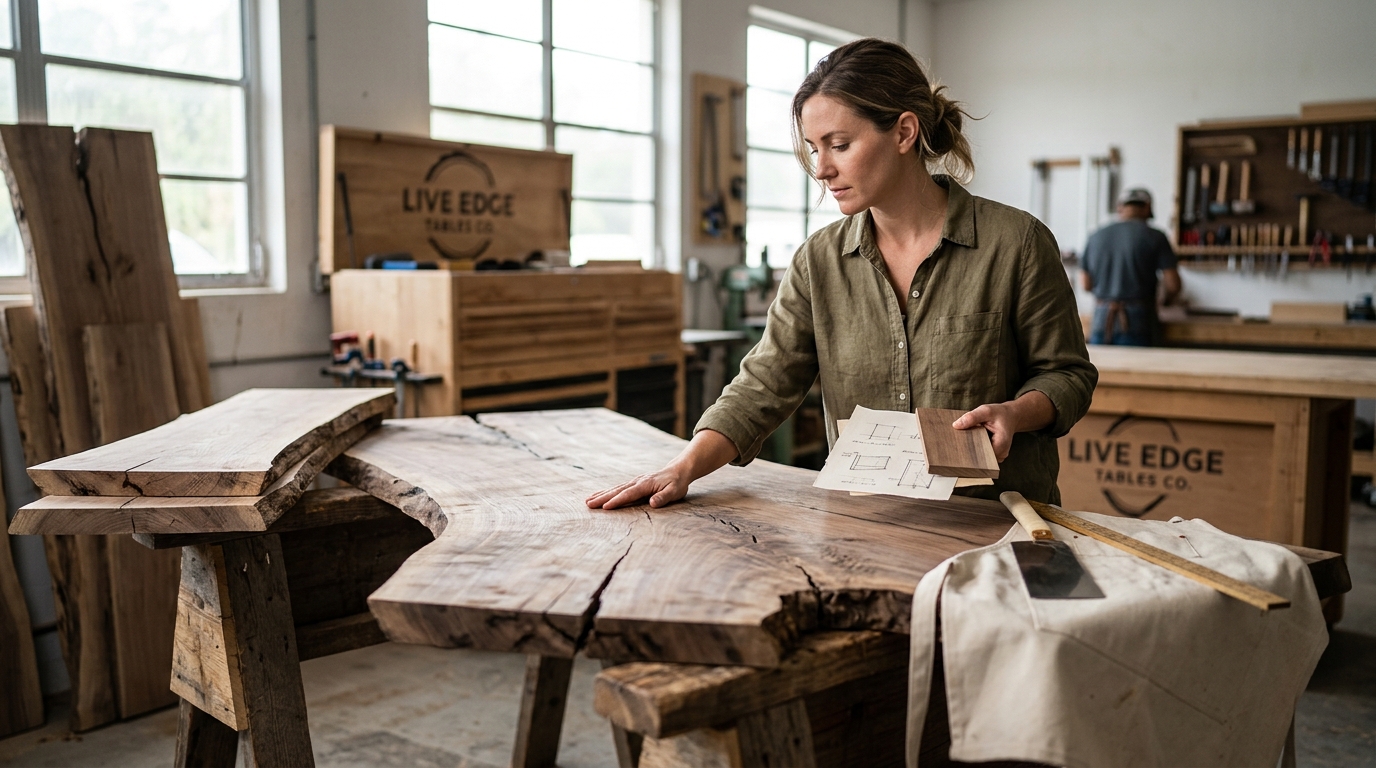
First-time buyers often feel overwhelmed by the sheer number of variables in custom live edge furniture. The confusion stems from the fact that every slab is unique, making standard retail comparisons impossible. Live Edge Tables Co. helps clarify these complexities by offering transparent design tools and direct communication with the maker. Understanding the specific terminology and structural requirements is the key to navigating the purchase process with confidence.
Decoding the Language of Slabs and Edges
One of the primary sources of confusion is the specialized vocabulary used in the woodworking industry. Live edge is a term that describes the natural, unaltered contour of a tree trunk, which is preserved on the sides of the board. Many buyers assume that a live edge table is simply a table with a rough side, but the reality is more nuanced. The distinction between a live edge and a river table is a critical one that affects both aesthetics and structural integrity.
A river table is a design where two slabs are joined by a channel of resin, creating a visual effect that mimics a flowing body of water. This is fundamentally different from a single-slab live edge table, which relies on the natural beauty of one piece of wood. For example, a black walnut river table with turquoise resin requires a different structural approach than a single slab of pecky cypress. The resin must be poured to a specific depth to ensure the wood does not warp over time. This technical detail is often hidden from the buyer until after the purchase, leading to disappointment if the structural needs are not understood upfront.
At Live Edge Tables Co., the design tool helps buyers visualize these differences instantly. By selecting the type of edge and the resin color, the buyer can see how the table will look in a scaled elevation. This removes the guesswork from the terminology and allows the buyer to make an informed decision based on visual evidence rather than abstract descriptions.
The Hidden Complexity of Structural Support
Buyers often underestimate the engineering required to support a large piece of solid wood. A slab that looks stable in a showroom may behave very differently in a home environment. Wood is a hygroscopic material, meaning it absorbs and releases moisture from the air. In a climate like Southwest Florida, where humidity fluctuates significantly, this movement can cause stress in the wood. If the structural support is not designed to accommodate this movement, the table can crack or the legs can detach.
The choice of base is a major factor in this equation. A steel trapezoid base offers a modern, industrial look that provides a wide footprint for stability. In contrast, a solid wood base may look more traditional but requires different joinery techniques to handle the movement of the slab. For instance, a waterfall desk where the grain runs over the end and down to the floor requires a base that can support the weight at the very edge of the slab. This is a specific engineering challenge that generic furniture manufacturers often do not address. The portfolio of work at Live Edge Tables Co. shows how different bases are selected to match the specific weight and shape of each slab.
Understanding that the base is not just a decorative element but a critical structural component helps buyers appreciate the value of custom fabrication. It also explains why a custom table cannot be mass-produced. Each slab has a unique center of gravity, and the base must be engineered to counterbalance that specific weight distribution. This level of detail is what separates a high-quality custom piece from a mass-produced imitation.
Finishing Options and Durability Expectations
The finish of a live edge table is another area where first-time buyers often have unrealistic expectations. Many assume that a glossy finish is the only option for protecting the wood. However, the choice of finish significantly impacts how the table feels, looks, and ages over time. A hardwax oil finish, for example, penetrates the wood and enhances the natural grain without creating a plastic-like surface. This type of finish is easier to repair if the table is scratched or stained.
In contrast, a polyurethane finish creates a hard shell on the surface of the wood. While this offers excellent protection against water and heat, it can make the table feel less organic. It is also much harder to repair, as any scratch requires sanding down the entire surface and reapplying the finish. For a piece that is meant to be a centerpiece in a home, the tactile quality of the finish is just as important as its visual appeal. The shop at Live Edge Tables Co. offers various finishing options, allowing buyers to choose a finish that matches their lifestyle and aesthetic preferences.
Buyers should also consider the maintenance requirements of their chosen finish. A hardwax oil finish may require periodic reapplication to maintain its protective properties, while a polyurethane finish may last for decades with minimal care. This is a trade-off that must be made consciously. By understanding the pros and cons of each finish, buyers can avoid the frustration of discovering that their table requires more maintenance than they are willing to provide.
The Custom Process and Lead Times
One of the most common sources of confusion is the timeline for a custom piece. Buyers are accustomed to buying furniture off the shelf, where the product is available for immediate delivery. Custom live edge furniture, however, is made to order, which means the timeline is significantly longer. The process begins with the selection of a slab, which can take weeks or even months depending on the availability of the specific wood species and size.
Once the slab is selected, it must be acclimated to the shop environment before it can be worked. This acclimation period is crucial for ensuring that the wood is stable and will not warp after it is installed in the home. The actual fabrication process, including cutting, joining, and finishing, can take several weeks. For a complex piece like a river table, the resin must be poured in layers and allowed to cure, which adds additional time to the process. The commission page at Live Edge Tables Co. provides a clear overview of the process and helps set realistic expectations for the timeline.
Understanding that the lead time is a function of the natural process of working with wood helps buyers appreciate the value of the piece. It also helps them plan their home renovation or move accordingly. By communicating their timeline needs early in the process, buyers can work with the maker to ensure that the piece is ready when they need it. This level of communication is a hallmark of a high-quality custom furniture maker.
Budgeting for a One-of-a-Kind Piece
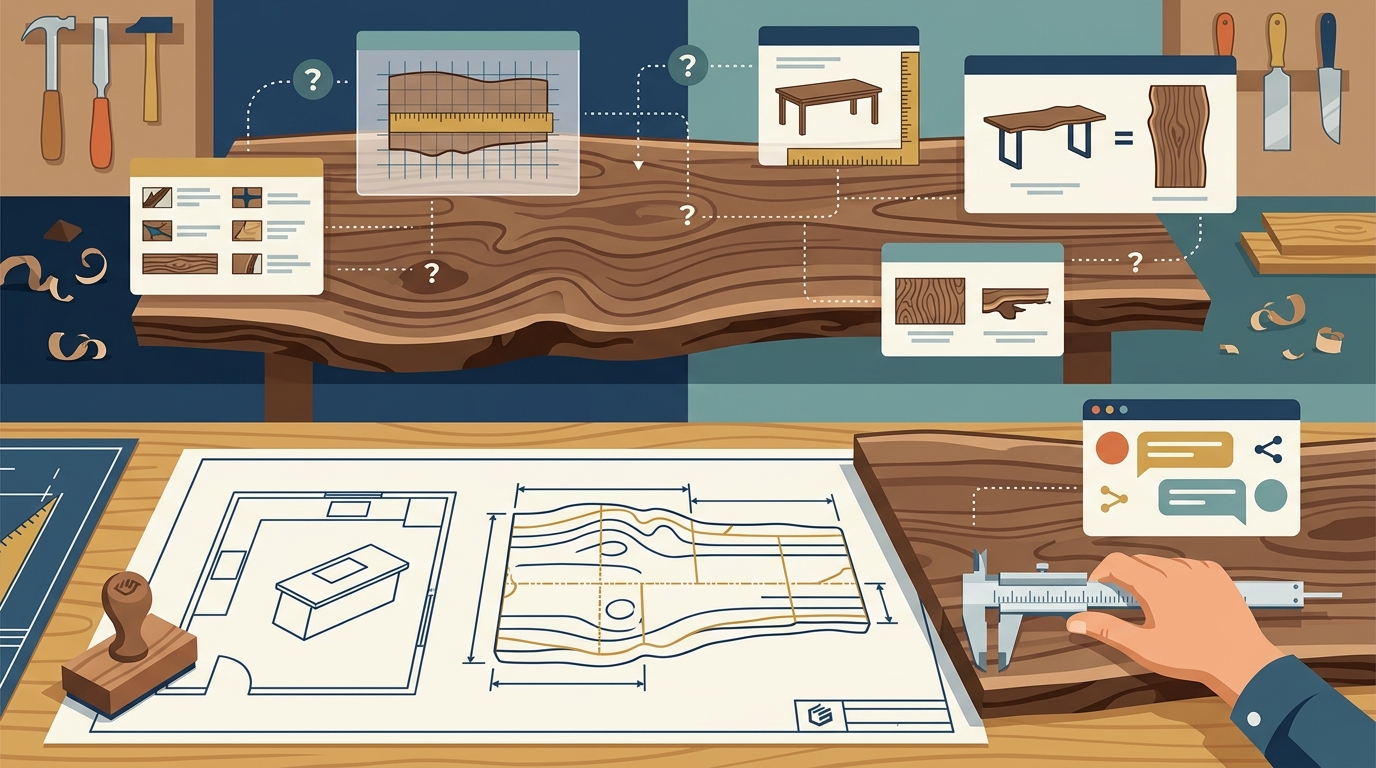
Finally, the cost of a custom live edge table is often a source of confusion for first-time buyers. The price of a custom piece is not determined by a standard formula, but by the specific characteristics of the slab and the complexity of the design. A slab with a dramatic live edge or a unique grain pattern will command a higher price than a slab with a more uniform appearance. The size of the slab is also a major factor, as larger slabs are rarer and more expensive to source.
The type of base and the finish also impact the final price. A steel base with a custom powder coat finish will cost more than a standard wood base. Similarly, a complex finish with multiple layers of stain and oil will cost more than a simple clear coat. The design tool at Live Edge Tables Co. provides an instant estimate based on the buyer's choices, which helps them understand how each decision impacts the final price. This transparency is essential for building trust with the buyer and ensuring that they are comfortable with the investment.
By understanding the factors that drive the cost of a custom piece, buyers can make a more informed decision about their budget. They can also prioritize the features that are most important to them, such as the wood species or the type of base. This approach to budgeting helps ensure that the final piece is both beautiful and functional, and that the buyer is satisfied with their investment.
Key Takeaways
- Live edge refers to the natural contour of the wood, while a river table uses resin to join two slabs.
- Structural support is a critical engineering challenge that must be tailored to the specific weight and shape of each slab.
- The choice of finish impacts both the aesthetic and the maintenance requirements of the table.
- Custom furniture is made to order, which means the lead time is significantly longer than for mass-produced furniture.
- The cost of a custom piece is determined by the specific characteristics of the slab and the complexity of the design.
- Transparent communication and design tools are essential for helping first-time buyers navigate the custom furniture process.
Frequently Asked Questions
What is the difference between a live edge table and a river table?
A live edge table is made from a single slab of wood with the natural edge preserved. A river table is made from two slabs joined by a channel of resin, creating a visual effect that mimics a flowing body of water.
Why does a custom live edge table take so long to make?
Custom live edge tables are made to order, which means the slab must be sourced, acclimated, and fabricated. The acclimation period is crucial for ensuring that the wood is stable and will not warp after it is installed in the home.
What is the best finish for a live edge table?
How do I know if a live edge table will fit in my space?
It is important to measure the space carefully and consider the dimensions of the table, including the height and the depth. A design tool can help visualize how the table will look in the space and ensure that it fits comfortably.
Is a custom live edge table a good investment?
A custom live edge table is a one-of-a-kind piece that can last for generations. It is a significant investment, but it is also a unique and beautiful addition to any home.